

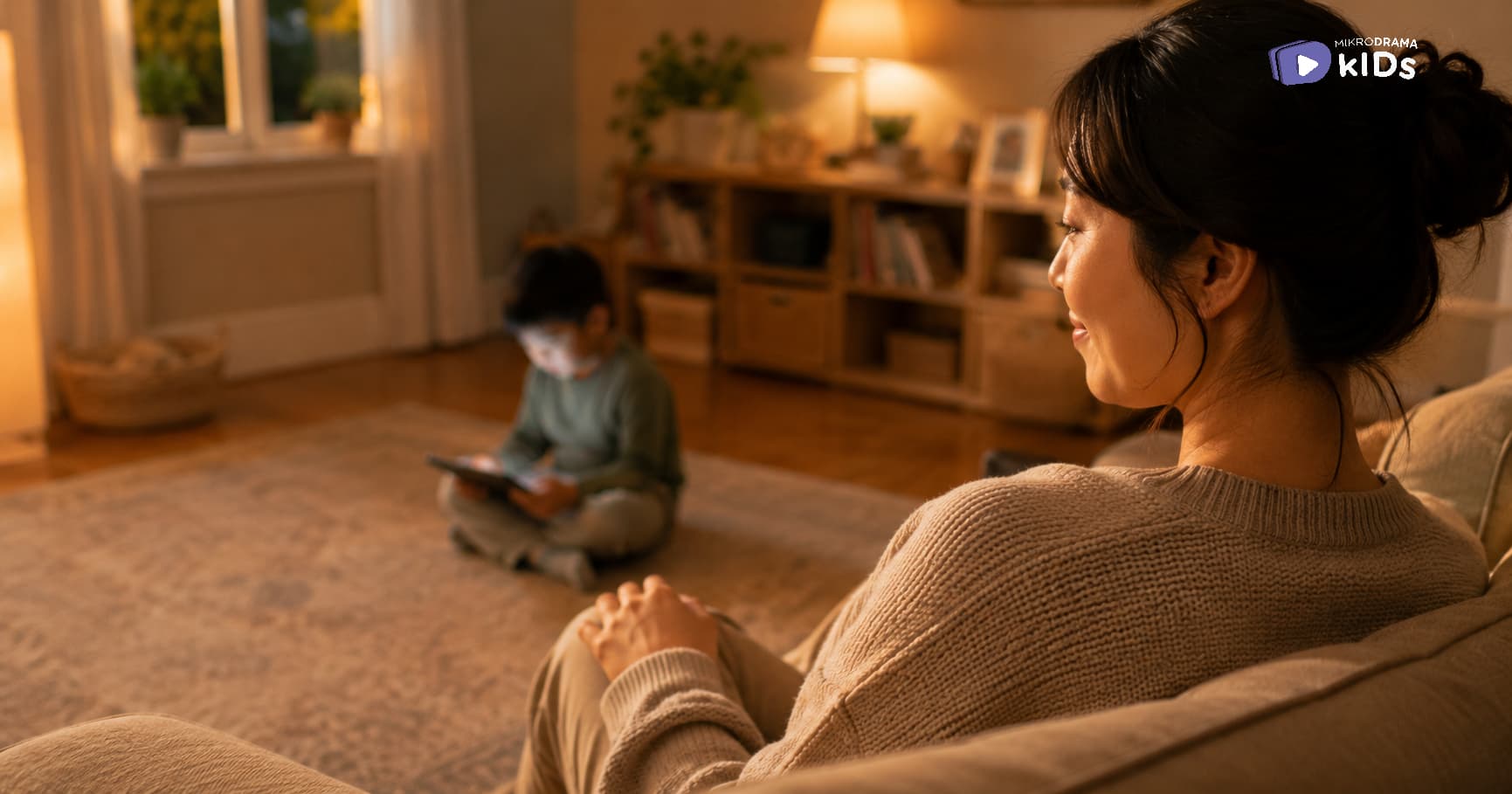
Every parent knows the feeling. The tablet lights up, your child grabs it, and somewhere in your chest, guilt starts to creep in. Shouldn't they be playing outside? Reading a book? Talking to me? Then you scroll through social media and see posts from what look like perfect parents. We don't do screens in our house. And just like that, you feel like a failure. But here's what one parent came to realize after years of guilt, research, and honest observation. The problem was never screens. The problem was shame. This article isn't professional advice. It's one parent's perspective on letting go of the guilt, focusing on quality over quantity, and giving yourself permission to be a realistic parent in a digital world.
A parent's perspective on guilt, shame, and the myth of the "perfect" low-screen childhood
The Confession
I used to feel it every single time.
The tablet lit up. My child grabbed it. And my stomach dropped.
Shouldn't they be playing outside? Reading a book? Building something? Talking to me?
Then I'd scroll through Instagram and see posts from what looked like perfect parents. We don't do screens in our house. My child hasn't watched TV in three months. Nature is our tablet.
And just like that, I felt like a failure.
But here's what I've come to realize after years of guilt, a fair amount of research, and some honest observation.
The problem was never screens. The problem was my shame.
And shame doesn't help anyone.
The Truth No One Tells You
We live in a digital world.
Your child's school uses tablets. Their friends talk about shows and games. Homework often lives online. And let's be honest, sometimes you need twenty minutes to make dinner without a toddler attached to your leg.
The "no screens ever" ideal isn't realistic for most families. Truth be told, it's not even necessarily better.
What matters isn't whether a child uses a screen. It's what they watch and how they watch it.
What Changed for Me
Three things shifted my perspective entirely.
First, I stopped comparing.
That Instagram mom with the no-screens rule? I don't know her life. Maybe she has a nanny. Maybe her child is in full-day preschool. Maybe she's exhausted from pretending.
Here's what I learned: comparison is a trap. I parent my child, in my house, with my limits. That has to be enough.
Second, I learned the difference between passive and active.
Not all screen time looks the same. I saw it with my own eyes.
Passive looked like this: my child slumped over, eyes glazed, thumb scrolling endlessly. Ten minutes later, they couldn't tell me a single thing they'd watched.
Active looked completely different. My child sat up, pointed at the screen, repeated words, asked "what happens next?" Five minutes later, they explained the whole story to me.
The screen didn't change. I changed what I put on it.
Third, I started participating.
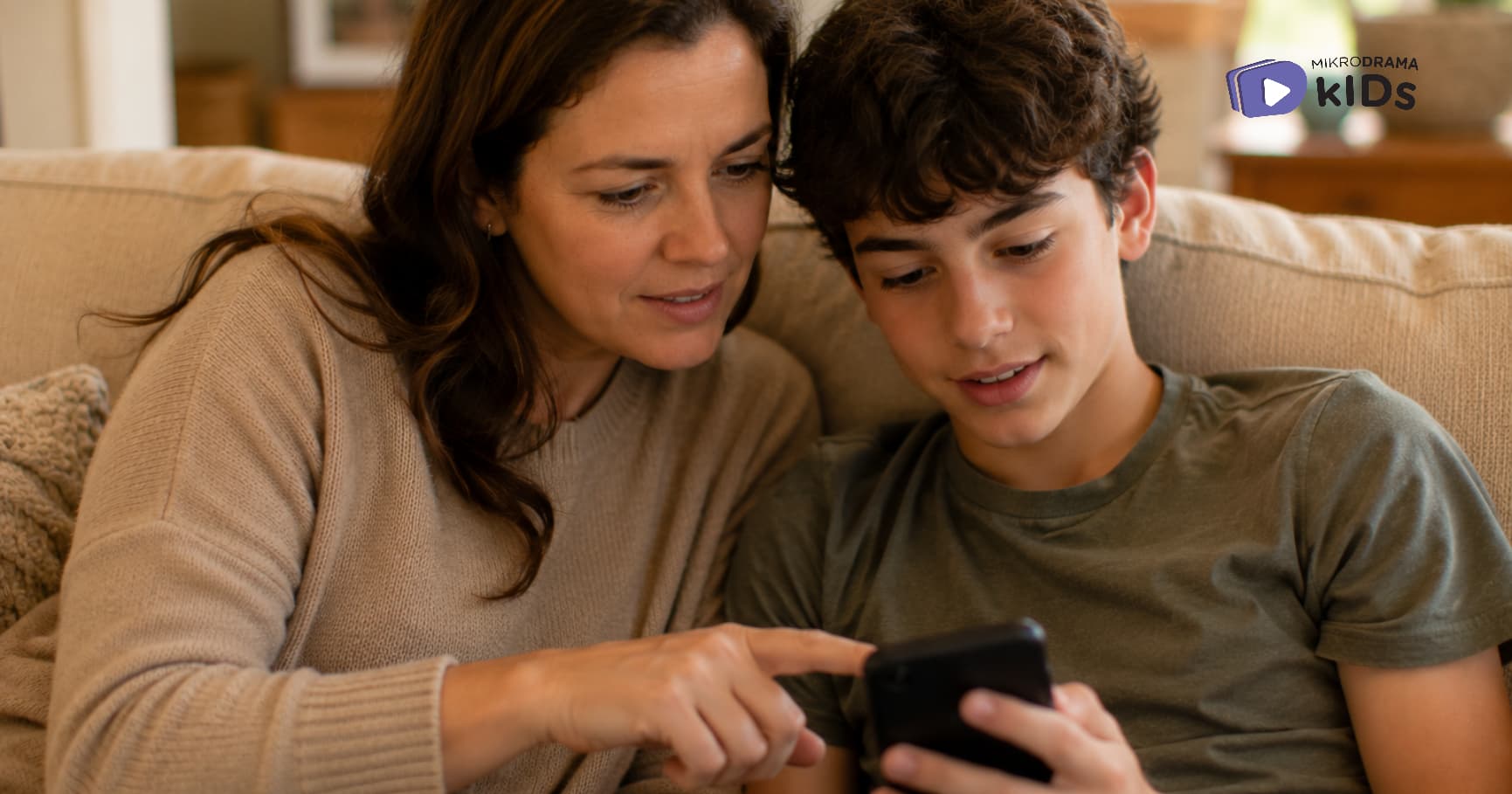
Instead of handing over the tablet and walking away, I began watching alongside my child. Just for a few minutes. I'd pause and ask, "What do you think happens next?" or "How does that character feel?"
Those two minutes of participation turned screen time into conversation time.
What I Actually Do Differently
I don't have a perfect system. But I have a system.
Instead of...
- Endless scrolling on autoplay
- Short episodes (under 10 minutes) with a clear ending
- Handing over the tablet and leaving
- Watching the first episode together
- Feeling guilty afterward
I do...
- Asking one question: "What did the character learn?"
- Saying "no screens" and meaning "later"
- Clear boundaries: "Two episodes, then we play"
- Letting YouTube decide
- Choosing content with a story, not just flashy colors
It’s fine to feel a twinge of guilt sometimes. Old habits die hard.
But don't let it control you anymore.
A Letter to Other Parents
If you're reading this and feeling that familiar wave of shame, here's what I want you to know.
You are not a bad parent for using screens.
You are a realistic parent, living in a digital world.
The goal isn't to eliminate screens. It's to be intentional about them. To choose quality over quantity. To watch with your child sometimes. To ask questions. To turn watching into talking.
And on the days when you're exhausted and you hand over the tablet just to get fifteen minutes of silence?
That's not failure. That's survival. And survival is allowed.
Rethinking the Narrative
I don't feel guilty about my kid's screen time anymore.
Not because I've figured everything out. Not because we never watch junk.
But because I stopped letting shame make decisions for me.
I choose the content. I set the limits. I watch with them when I can. And when I can't? I forgive myself.
Screens aren't going away. So let's stop pretending they are.
Let's start asking better questions instead.
About This Article
The following reflects one parent's personal experience and perspective. It is not intended as professional advice. Every family is different. Please do what works best for yours.
Found this helpful?
This article is intended for general informational and educational purposes only. Please read our Blog Disclaimer.
.jpg&w=3840&q=75)

.jpg&w=3840&q=75)