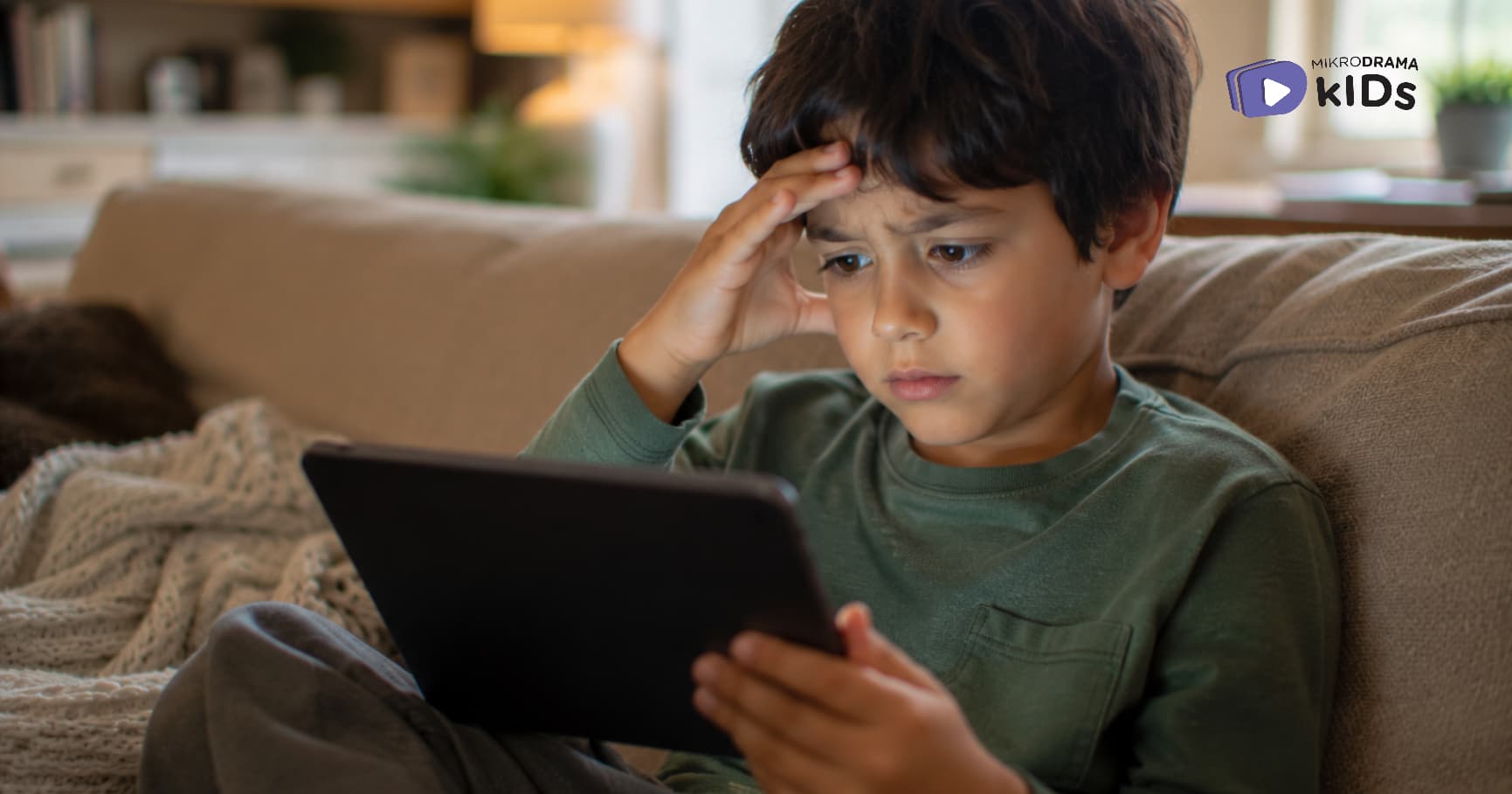
"My friend has a new phone." "Their house is so much bigger than ours." "Why does everyone on TikTok have better clothes than me?" Sound familiar? Your child is comparing their real life to someone else's highlight reel. And in their mind, they are coming up short. This is not a new problem. Kids have always compared themselves to other kids. But social media has made the comparison constant, unfair, and harder to see.
Why online comparison stings more
When your child compares themselves to a friend at school, they see the whole picture. The good days and the bad days. The struggles and the little victories.
But when they compare themselves to someone online? They only see the curated version. The best angles. The happiest moments. The filtered reality.
Your child is comparing their behind the scenes footage to someone else's highlight reel. That is not a fair fight. Not even close.
What to say when they start comparing
Whatever you do, do not dismiss their feelings. "You should not care what other people have" sounds logical. But it does not help. Not one bit.
Try this instead.
"I understand why that feels unfair. What you are seeing online is not the whole picture. People only post their best moments. You are comparing your whole life to their best five seconds."
Then ask a gentle question. "What is something you have that you feel grateful for?" You are not trying to dismiss their complaint. You are just helping them see the full picture of their own life.
The compare and contrast conversation
Help your child see the difference between online and real life. Ask questions like these.
"In real life, does your friend have bad days?" Yes.
"Do people online post their bad days?" Usually not.
"Do you think that family ever fights?" Probably.
"Do they post pictures of the fights?" No.
Your child already knows these things deep down. They just need a little help connecting the dots. The goal is not to make them feel guilty. The goal is to help them see that what they see online is not the whole truth.
What to do about the envy
Envy is normal. It is not bad to want things. The problem is when envy becomes a constant companion that follows them everywhere.
Help your child turn envy into useful information. Ask them "What is it about that thing that you really want?"
Sometimes it is the thing itself. A new phone. A pair of shoes. Sometimes it is the feeling they think the thing will bring. Belonging. Status. Approval.
Once you know what they are actually craving, you can help them find it in real life. Not through a screen.
Setting boundaries around comparison
You cannot block every comparison. That is not realistic. But you can help your child build resilience.
Limit time on platforms that feed comparison. Instagram, TikTok, and YouTube can be especially hard for older children.
Encourage offline hobbies and real world friendships. The more full their real life feels, the less power the online comparison has.
And talk about your own struggles with comparison. "I sometimes feel jealous when I see other people's vacation photos online. But I remind myself that I am only seeing the good parts."
Your child needs to know that comparison is a human problem, not a child problem. You struggle with it too. That makes it easier for them to talk about.
A mother who stopped taking the phone away
A mother noticed her teenage daughter was constantly upset after scrolling through social media. She compared her body, her clothes, her weekends, her everything.
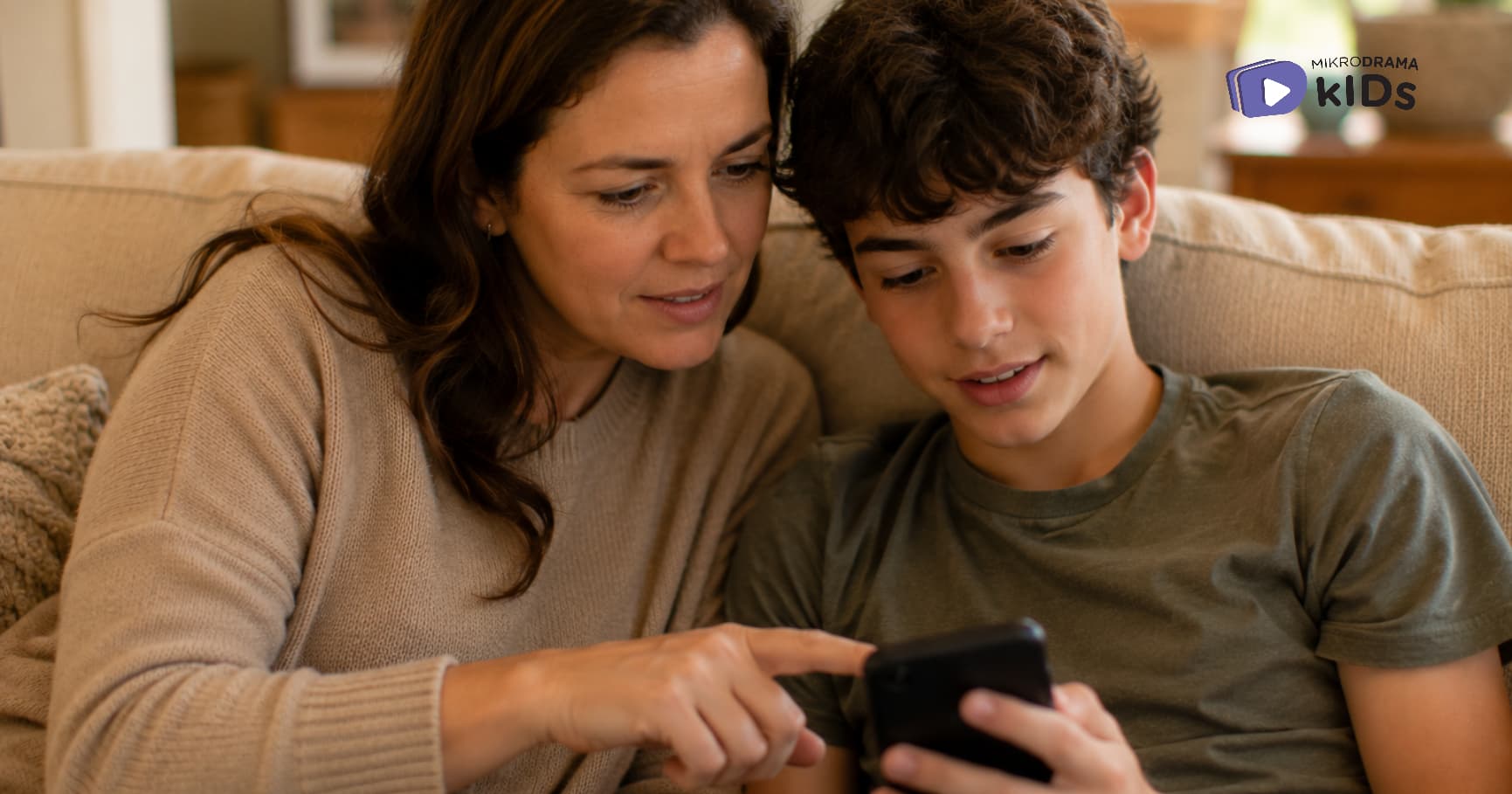
The mother did not take away the phone. Instead, she started watching with her daughter. "Show me what you are looking at." Then she asked questions. "Do you think they look like that when they wake up in the morning?" "Would you want to trade lives with them? The whole life, not just the pretty parts?"
Over time, her daughter started noticing the filters. The angles. The careful curation. She still felt envy sometimes. But she stopped feeling like she was failing.
Why Mikrodrama Kids cares about this
We make screen content. But we also know that not everything on a screen is good for a child's heart.
Social media feeds comparison. Algorithms reward envy. Your child is fighting against systems designed to make them feel like they are not enough.
We cannot fix that alone. But we can offer something different.
Our stories are about real life. Real feelings. Real friendships. No filters. No curation. No "perfect life" to compare yourself to. Just honest stories about what it means to be human.
We are not here to replace the hard conversations. We are here to give you a tool. A story that sparks a conversation. A character your child can relate to. A moment where they say "that is exactly how I feel."
That moment is where connection starts.
What helps to remember
Your child will compare. That is normal. That is human.
Your job is not to stop the comparison. Your job is to help them see the full picture. To remind them that what they see online is not the whole story. To help them find what they need in real life, not on a screen.
The comparison never fully goes away. But it can lose its power. One conversation at a time.
About Mikrodrama Kids
Mikrodrama Kids creates short form, story driven content for children ages zero to twelve. Our stories focus on real life, real feelings, and real friendships. No filters. No curation. Just honest stories about what it means to be human.
Professional Disclaimer
This article talks about social comparison and digital wellbeing. Every child is different. If you have concerns about your child's mental health or their relationship with social media, please talk to your pediatrician or a mental health professional.
Found this helpful?
This article is intended for general informational and educational purposes only. Please read our Blog Disclaimer.
.jpg&w=3840&q=75)

.jpg&w=3840&q=75)