


Why "restraint collapse" explains those afternoon explosions Your child walks through the door after school. You ask how their day was. And then it happens. They explode. Over nothing. A snack. A toy. A simple question you asked. You start wondering: What did I do wrong? Probably nothing. Honestly.
The science of holding it together.
There's actually a name for this. Psychologists call it "restraint collapse."
Here's what that means. Your child has been holding it together all day. Following rules. Listening to teachers. Sharing with classmates. Managing their feelings. All day long.
That takes a massive amount of energy.
Then they walk through your door. The safe place. The one place where they don't have to perform. And all that held-in tension? It just... collapses.
They're not melting down because something went wrong at school. They're melting down because they finally feel safe enough to let go.
Think about that for a second. The meltdown isn't a sign of a bad day. It's a sign that you've created a home where your child can fall apart and still be loved.
Why screens make it worse (and better).
Here's where it gets tricky.
Some children come home and immediately grab a tablet. The screen gives their brain a break. No demands. No rules. Just quiet stimulation.
For some kids, that's exactly what they need. It's like a gentle reset button.
For other kids, though, the screen becomes just another demand. Another thing to focus on. Another drain on an already exhausted brain.
Which one is your child? You know them best. Trust that.
Simple shifts that actually help.
You don't have to guess. Here are a few things to experiment with.
The 15-minute buffer. Before screens, before homework, before any questions, give them fifteen minutes of nothing. A snack. A drink. Just sitting quietly. No demands. No "how was your day?" Let them come to you.
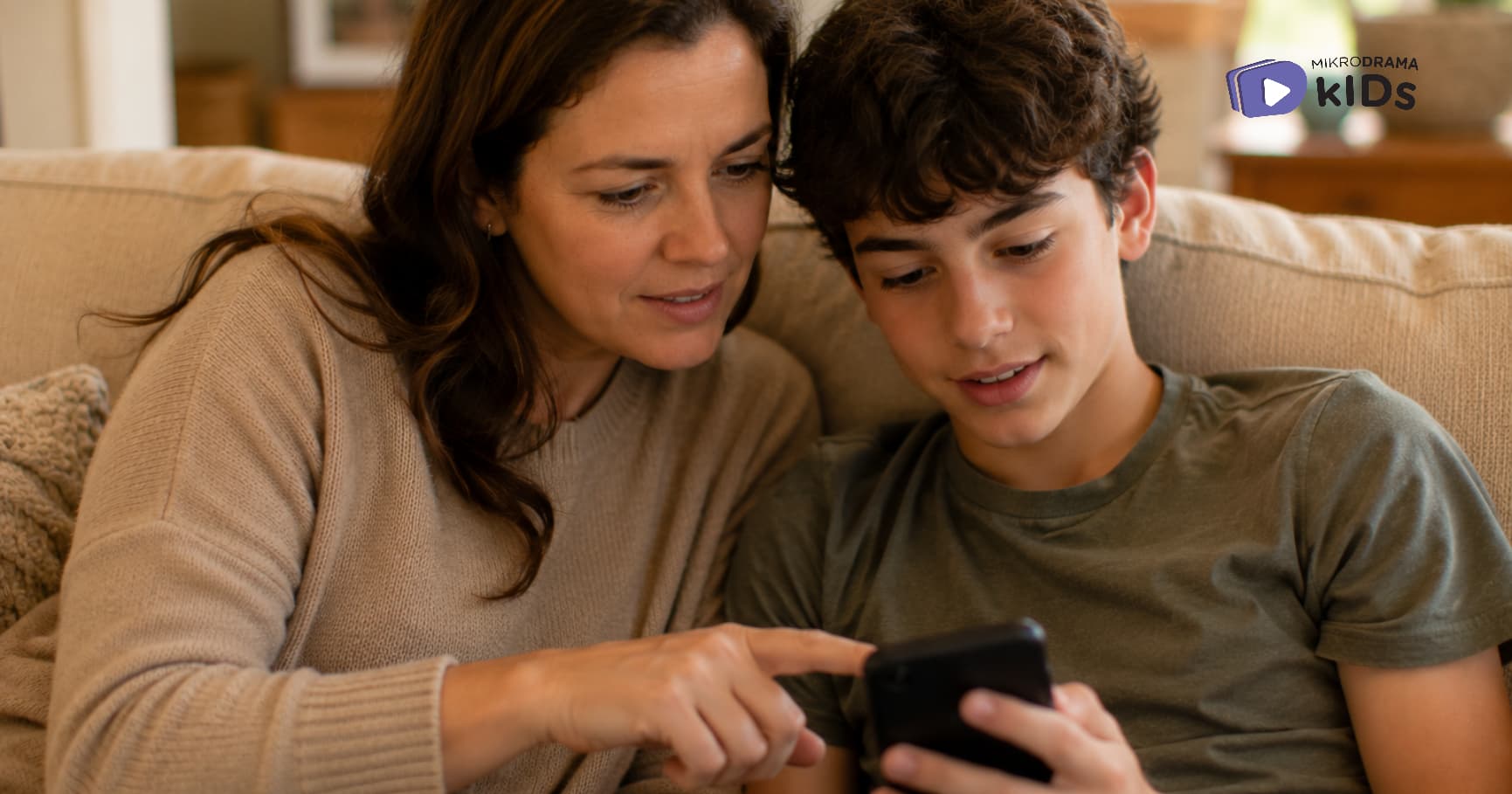
Low-demand connection. Sit next to them. Don't talk. Don't ask questions. Just be there. Read your own book. Scroll your phone. Let them lean into you if they want. Sometimes presence is enough.
Physical release. Some kids need to move. Jump on the couch. Run around the house. Squeeze a pillow. Get the wiggles and the tension out physically.
Then screens. After the buffer, after some connection or movement, screens can be a genuine break. Not a crutch. Just rest.
How one mom solved it.
One mom said that her son exploded every single day after school. Every day. She tried everything. Different snacks. Different questions. Less talking. More talking. Nothing worked.
Then she tried something simple. She sat with him in silence for ten minutes. No questions. No agenda. Just her presence.
The explosions stopped.
He didn't need a screen. He didn't need a snack. He didn't need to talk. He needed to decompress without anyone asking anything of him.
Here's what to remember.
That after-school meltdown isn't a sign of a bad day. It's a sign of a safe home.
Your child isn't giving you their worst. They're giving you what they've been holding back all day. And they're giving it to you because they trust you.
A little buffer. A little quiet. A little patience. That's often all they need.
You're not failing. You're their safe place. That's why they fall apart with you.
About Mikrodrama Kids
Mikrodrama Kids creates short-form, story-driven content for children ages 0–12. We know that after-school rest matters. Our episodes are short, gentle, and designed to help kids decompress, not overstimulate.
Professional Disclaimer
This article discusses the concept of restraint collapse. Every child is different. If your child's after-school behavior concerns you, please consult your pediatrician or a child development specialist.
Found this helpful?
This article is intended for general informational and educational purposes only. Please read our Blog Disclaimer.
.jpg&w=3840&q=75)

.jpg&w=3840&q=75)