

.jpg&w=3840&q=75)
You handed your toddler a tablet so you could cook dinner. Now the internet says you've failed. Let's talk about why the "iPad kid" panic has gone too far.
Why blaming parents and calling children "zombies" isn't helping anyone
The Backlash Has Arrived
Spend any time on parenting social media, and you'll see it.
"iPad kids are ruined."
"My child will never hold a tablet."
There's a moral panic brewing. At its center? The so-called "iPad kid", typically a child under ten who, according to the internet, is already addicted to screens, incapable of focus, and destined for ADHD and social failure.
The posts go viral. The comments pile on. Somewhere, a real parent reads them and feels sick.
Because that parent just handed their toddler a tablet so they could cook dinner.
And now they're convinced they've failed.
Let's Be Honest About What's Happening
This panic taps into a real fear. We genuinely don't know what screens are doing to our kids.
That fear is legitimate. The research is still catching up. And yes, there are valid concerns about passive scrolling, social media, and algorithms engineered to hijack attention.
But here's what the viral posts conveniently leave out.
First, not all screen time is equal.
Thirty minutes of chaotic, autoplay garbage is not the same as fifteen minutes of a slow, story-driven video. But the term "iPad kid" lumps them together. That's not helpful. It's just lazy.
Second, panic doesn't parent better. Neither does guilt.
Shaming parents doesn't offer them better options. It just makes them feel terrible. And parents who feel terrible don't make good decisions. They make exhausted decisions. Defensive ones. Sometimes they just give up.
Third, screens aren't going anywhere.
Your child's school uses tablets. Homework lives online. Friends talk about shows and games. The "no screens ever" childhood? For most families, that's a fantasy.
What the Research Actually Says
Let's pull fear and fact apart for a moment.
Myth: Screens ruin attention spans.
Fact: Chaotic, fast-paced content might contribute to attention issues. But well-structured short stories with clear beginnings, middles, and ends can actually teach focus and narrative prediction.
Myth: All screen time is bad.
Fact: The American Academy of Pediatrics distinguishes between passive scrolling and active, story-driven, problem-solving screen time. Quality matters every bit as much as quantity.
Myth: Parents today are lazier.
Fact: Every generation panics about the next. Television. Video games. Computers. All were once called "brain rot." What's different now is that screens are mobile and constant. That's a new challenge, not a moral failure.
The Problem With the "iPad Kid" Label
Labels like this do something quietly destructive. They turn a behavior into an identity.
When you call a child an "iPad kid," you're not just saying they watch a lot of screens. You're saying that's who they are. Kids internalize that.
The same goes for parents. When the internet sneers at "parents who hand over tablets," real moms and dads hear one thing: You are failing.
That shame doesn't inspire change. It inspires secrecy. Defensiveness. Giving up.
A Better Way Forward
Let's try nuance instead of outrage.
Instead of asking "How much?" ask "What kind?"
Is your child watching something with a story? Are they engaged? Can they tell you what happened? That's a world away from zombie scrolling.
Instead of shaming parents, offer actual alternatives.
If you're judging a parent for using a tablet, do you have a realistic solution for when they need twenty minutes to cook dinner? If not, your judgment is just noise.
Instead of banning screens, curate them.
You don't have to throw away the tablet. You just have to be intentional about what's on it. Short, story-driven, educational content exists. Use it.
Instead of feeling guilty, get curious.
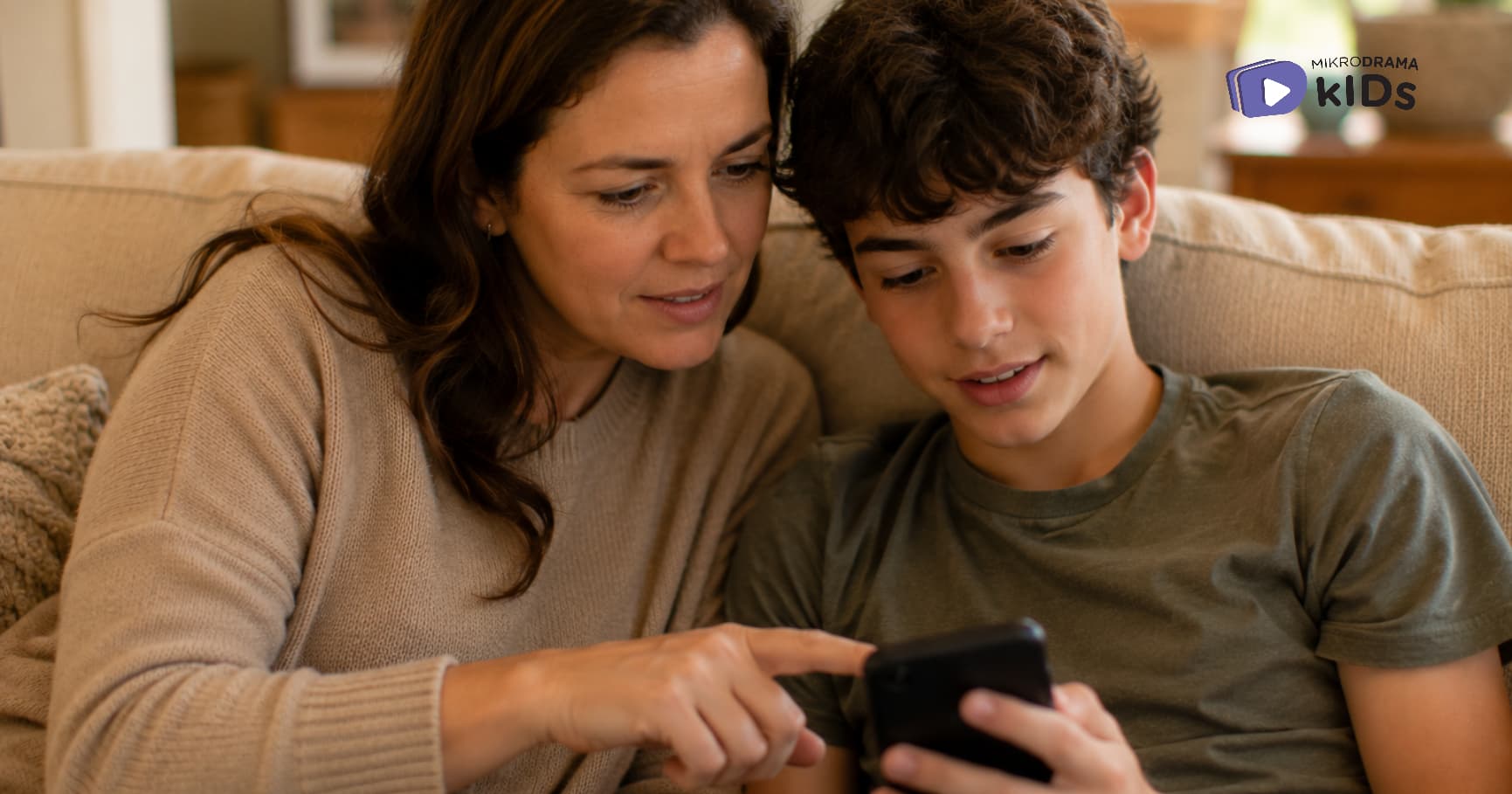
Watch with your child for five minutes. Ask a question. See what they're actually watching. Curiosity does something guilt never can which replaces shame with agency.
A Message to the Parent Feeling Attacked
If you've read this far and you're carrying that familiar weight, here's what I need you to hear.
You are not a bad parent.
You are not raising a ruined child.
You are a real parent, living in a real world, with real limits on your time and energy.
The fact that you're even reading an article about screen time means you care. And honestly? Caring is ninety percent of the work.
So let go of the shame. Ignore the viral posts. Parent your child, not the internet's opinion of your child.
And the next time someone calls your kid an "iPad kid"? Smile and say:
"They're a kid. The iPad is just a tool. And we're figuring it out together."
Moving Past the Panic
The "iPad kid" panic is oversimplified, shame-driven, and unhelpful.
Yes, screens need boundaries. Yes, passive scrolling is a problem. Yes, parents should be thoughtful about content.
But calling children "zombies" and parents "lazy" doesn't fix a thing. It just makes everyone feel worse.
We need to shift the conversation. From blame to support. From fear to intentionality. From shame to practical solutions.
Let's stop panicking. Let's start being thoughtful.
And let's give ourselves and our children the grace to figure this out together.
About the Author
Mikrodrama Kids is an edutainment platform for children ages 0–12. We create short-form, story-driven content that blends educational research with engaging narratives. Our mission is to give parents practical, research-backed tools for healthy media habits, without the guilt or judgment.
Found this helpful?
This article is intended for general informational and educational purposes only. Please read our Blog Disclaimer.
.jpg&w=3840&q=75)

.jpg&w=3840&q=75)