

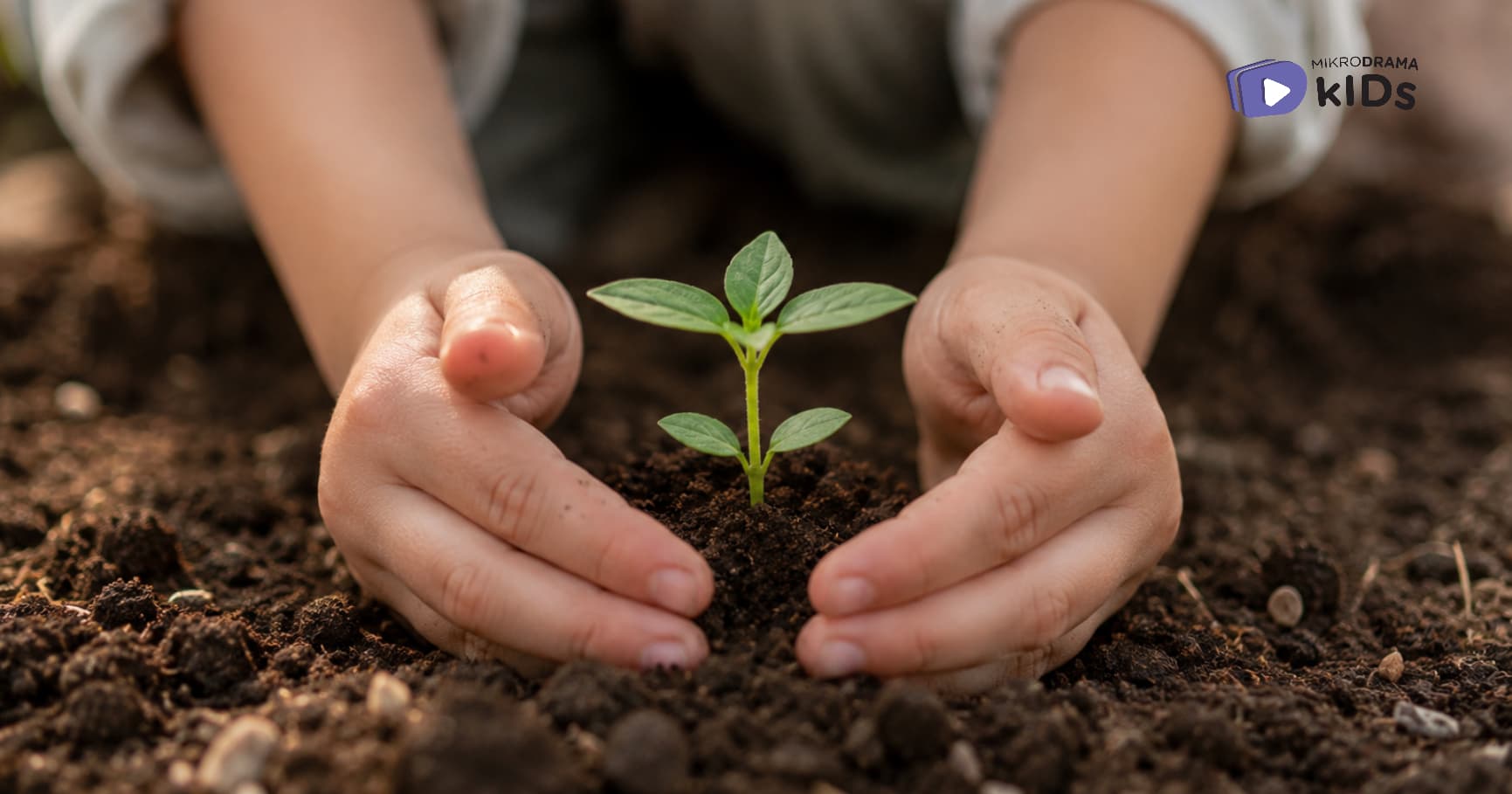
Hint: it's not grades or test scores We spend a lot of time worrying about intelligence. “Is my child smart enough? Are they keeping up? Will they get into the right schools?” Here's what the research actually says. IQ isn't the best predictor of success. Neither are grades. Neither are test scores. Something else matters more. And here's the really good news. You can actually help your child develop it.
The trait: grit.
Psychologist Angela Duckworth spent years studying achievement in some pretty tough environments. The National Spelling Bee. West Point Military Academy. Schools in challenging neighborhoods.
She wanted to answer one question: who succeeds and why?
Her answer was the same everywhere she looked. The most successful people weren't necessarily the most talented or the smartest. They were the ones with grit.
Duckworth defines grit as passion and perseverance for long-term goals. It's the ability to stick with something even when it's hard. Even after you fail. Even when progress feels painfully slow.
Gritty kids don't give up. They finish what they start. They try again after failure. They keep going long after the initial excitement wears off.
Why grit matters more than IQ.
Look, intelligence helps. No question about it.
But intelligence without perseverance is just potential that never goes anywhere.
Duckworth found that grit often predicted success better than IQ, especially in high-stakes, long-term challenges. The smartest students weren't always the ones who graduated. The gritty ones were.
Here's why. Talent doesn't guarantee effort. In fact, some talented people never learn to work hard because things come easily to them at first. Then, when they finally hit a real challenge, they don't have the persistence muscles to push through.
Gritty people are different. They've learned that effort matters. They've failed and tried again. They know that struggle isn't a sign to quit. It's just part of the process.
How grit develops.
Here's the good news. Grit isn't something you're born with. It's something you learn.
Grit grows through specific experiences. Struggling and then overcoming. Failing and then trying again. Sticking with something even when it's boring or hard.
Kids who are protected from failure never learn that failure is survivable. Kids who are rescued from frustration never learn to work through it. Kids who always win never learn how to lose and keep going.
Grit is built in the hard moments. Not the easy ones.
What parents can do to nurture grit.
You can't hand your child grit on a silver platter. But you can create the conditions where it grows.
Don't rescue too quickly. When your child gets frustrated, pause. Don't jump in right away. Let them struggle for a bit. Ask questions. Let them try their own solutions.
Praise effort, not outcome. This is one of the most well-researched findings in developmental psychology. Kids who are praised for effort ("You worked so hard") develop what psychologists call a growth mindset. Kids who are praised for intelligence ("You're so smart") become afraid of challenges that might expose them as not smart.
Try this instead.
Instead of "You're so good at math,"
say "I noticed you kept trying even when that problem was hard."
Instead of "You won!"
say "You worked really hard to prepare for that game."
Model grit. Let your child see you struggle. Talk about your own challenges. "This project at work is really hard. I'm going to keep trying." Let them see you fail and try again. "Well, I messed that up. I'm going to figure out what I learned and try a different way."
Normalize struggle. Talk about failure openly. Share stories of your own failures and what you learned. Read biographies of successful people who failed many times before they succeeded. Help your child understand that struggle is normal. Nothing to be ashamed of.
Encourage long-term projects. Grit grows in the long arc. Encourage your child to stick with something for weeks or months like learning an instrument, building something, growing a plant, training for a small competition. That kind of commitment teaches persistence.
Teach the word "yet." "I can't do this" becomes "I can't do this yet." That one small word changes everything. It implies progress. It implies effort will pay off. It implies the story isn't over.
The role of passion.
Grit has two parts. Perseverance is one. Passion is the other.
Gritty people don't just work hard. They work hard at something they actually care about. Passion fuels persistence.
This is why forcing a child to stick with an activity they truly hate doesn't build grit. It builds resentment.
Instead, help your child find things they genuinely care about. Then encourage them to stick with those things even when they get hard. Passion makes perseverance possible.
What grit looks like in real life.
A child who loves drawing but gets frustrated when a picture doesn't turn out right. Instead of quitting, they try again. They ask for help. They practice.
A child who struggles with reading but keeps going. They sound out the word again. They try a different strategy. They don't give up.
A child who loses a soccer game but shows up to practice the next day ready to work.
That's grit. Not dramatic. Just persistent.
A real example.
One mother said that her son wanted to quit piano after six months. He was frustrated. He wasn't getting better as fast as he wanted.
She didn't force him to stay. But she also didn't let him quit immediately. She said, "Let's finish this session for eight more weeks. Then you can decide."
During those eight weeks, something clicked. He learned a song he was proud of. He felt good about it. When the eight weeks were up, he chose to keep going.
She didn't force grit. She just created conditions where grit had room to grow. A short commitment. A chance to push through the frustration. A moment of mastery.
Here's what to remember.
You can't make your child gritty. But you can stop accidentally undermining it.
Rescuing too quickly. Praising intelligence instead of effort. Protecting them from failure. These habits feel loving. But they rob kids of the very experiences that build persistence.
Let them struggle. Let them fail. Praise their effort. Model your own perseverance.
That's how you raise a child who doesn't give up.
About Mikrodrama Kids
Mikrodrama Kids creates short-form, story-driven content for children ages 0–12. Our characters fail, try again, and grow. They don't win every time. They don't give up. Because we know that's what real success looks like. Grit isn't built in easy moments. It's built in the hard ones. Our stories reflect that.
Professional Disclaimer
This article discusses psychological research on grit and achievement. Every child is different. If you have concerns about your child's motivation, persistence, or emotional wellbeing, please consult your pediatrician or a child development specialist. This information is not intended as professional psychological advice.
Found this helpful?
This article is intended for general informational and educational purposes only. Please read our Blog Disclaimer.
.jpg&w=3840&q=75)


.jpg&w=3840&q=75)